Xinzhou ElectromechanicalMechanical and electrical air conditioning engineering solutions
- home
- about
4News Center -> Questions
 2026-03-04High-voltage power transmission consists of three phase wires. Above 35KV, there is one or two lightning protection wires on the top of the iron tower (electric pole). Therefore, the three-wire setup is high-voltage transmission, while the four-wire setup is high-voltage transmission with lightning protection wires (on the top, thinner than the phase wires, without insulators) or low-voltage 380/220V transmission (four wires are the same thickness, on the same cross-arm, using the same insulators). The five-wire setup is high-voltage transmission with two lightning protection wires (on the top, thinner than the phase wires, without insulators), the six-wire setup is two circuits of high-voltage transmission, the seven-wire setup is high-voltage transmission (three wires on the top) + low-voltage transmission (four wires on the bottom), and the two-wire setup is low-voltage 220V transmission (single phase).
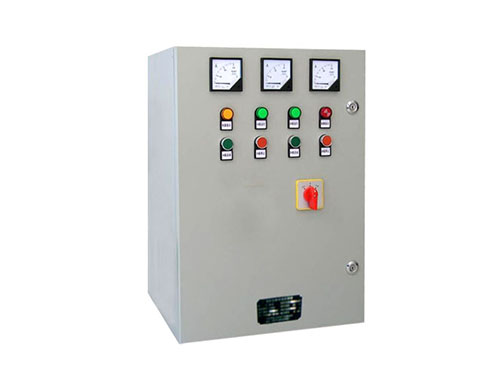 2026-03-04(1) The temporary power transmission lines for the construction site are laid using buried cables or partially overhead cables. (2) When laying the cables, the following requirements apply: ① When the cables pass through buildings, roads, etc. on the construction site, or when they are led out from the ground to a height of 2 meters or extended to a depth of 0.2 meters underground, smooth and free-of-nibbles protective conduits must be installed with sealed pipe openings. ② The parallel distance between the cable and the nearby thermal pipelines must be no less than 2 meters, and the crossing distance must be no less than 1 meter. ③ Cable joints should be placed inside protective boxes to ensure waterproofing, dustproofing, firmness and reliability. Insulation wrapping should be done in accordance with specifications to ensure insulation strength and prevent external forces. ④ When overhead laying of rubber cables is carried out,
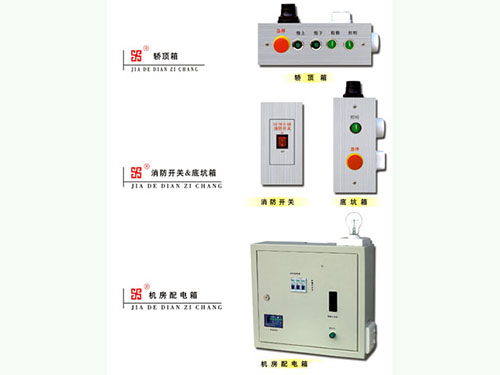 2026-03-04I. What is an electricity meter? An electricity meter, also known as an electric energy meter, is an electrical instrument specifically used for measuring electrical energy. II. How are the units for recording electricity energy defined? Usually, it is expressed in kilowatt-hours (KW·H). When we say "one kilowatt-hour of electricity", it means 1 KW·H. The value displayed on the meter's dial represents the cumulative electricity consumption of the user. III. What types of electricity meters are there? Electricity meters are divided into single-phase electricity meters and three-phase electricity meters. The former is used to measure the electricity consumption of residential users with single-phase power supply, while the latter is mainly used to measure power users such as government agencies, industrial and mining enterprises, and agricultural production, as well as users with large electricity loads or electricity consumption.
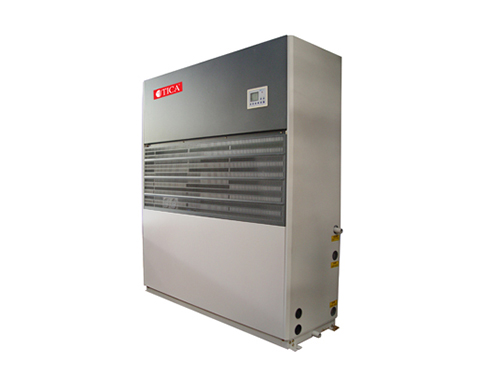 2026-03-04General Specification GB6995.1-86 1 Scope of Application This standard is applicable to the identification marks of electrical equipment wires and cables, power cables, and communication cables, as well as the identification marks of the insulation cores of these cables. 2 Purpose This standard makes unified and standardized provisions for the identification methods of wires and cables and their insulation cores, in order to ensure the correct connection, installation, and safe operation of wires and cables. 3 Definitions 3.1 Cable Identification Mark Mark the manufacturing factory, product trademark, model, specification, performance, etc. of the wires and cables with text, letters, symbols, colors, etc. 3.2 Insulation Core Identification Mark Use Arabic numerals
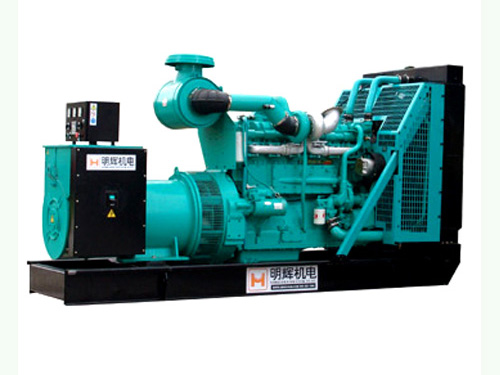 2026-03-04In today's era of rapid development in electronic technology, power electronics technology has gained increasing attention. Among them, the upgrading of power supply and voltage regulator technology has further promoted the development of related electronic devices and components. Whether in people's daily life or in modern electronic warfare, the power system, as its power source, is of an obvious and undeniable position and importance. However, the quality of power products in China, whether for military or civilian use, has a significant gap compared to similar products from abroad. Therefore, adopting international advanced standards, learning advanced foreign technologies, and quickly making the quality of our power products catch up with the international advanced level is something that all those engaged in power research should strive for.Total:5 Total Pages:1 | Page1 9First Page 7Previous Next8 Last Page: Jump
Professional mechanical and electrical engineering field
contact way-
About Us
company profile corporate culture corporate image enterprise features qualification certificate Video Center sphere of business -
case
Power distribution project Central air conditioning Central air conditioning Drainage system Group telephone Network system Monitoring system -
product
Central Air-condition Low Voltage Electrical Electric Machinery Electric Generating Set Electric Valve Sensor Water Pump More -
News
Company Industry Questions -
contact us
call center contact
 Wapsite
WeChat
Wapsite
WeChatHotline:+86 138 2699 5928
Address: No. 1204-1207, 12th Floor, Building 9, Tian Gong Zhi Gu, 52 Fuhai Road, Xugang Village, Chang'an Town, Dongguan City, Guangdong Province Dongguan Xinzhou Mechanical and Electrical Air Conditioning Engineering Co., LTD 【Admin】-
Phone
+86 138 2699 5928
Hotline (Mr. Liu)
-
Consult
-

TOP
-