Xinzhou ElectromechanicalMechanical and electrical air conditioning engineering solutions
- home
- about
4News Center
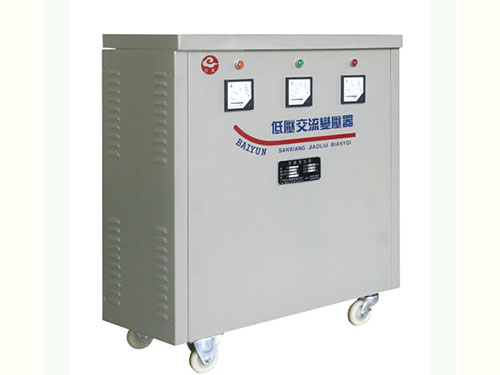 2026-03-04(1) The ground where the box-type substation is placed should be chosen at a higher position and not at a low-lying area to prevent water from flowing into the box and affecting the operation of the equipment. When pouring the concrete platform, there should be a gap between the high and low voltage sides to facilitate the laying of the cable inlet and outlet. When excavating the foundation, if there is a ground composed of garbage or rotten soil, it must be dug down to the solid soil, then backfilled with good soil and compacted, and then filled with tri-component soil or road slag to ensure the stability of the foundation. (2) The grounding and neutral line of the box-type substation share the same grounding grid. The grounding grid is generally made by driving grounding stakes at the four corners of the foundation and then connecting them together. The box-type substation and the grounding grid must have two reliable connections. The box-type substation
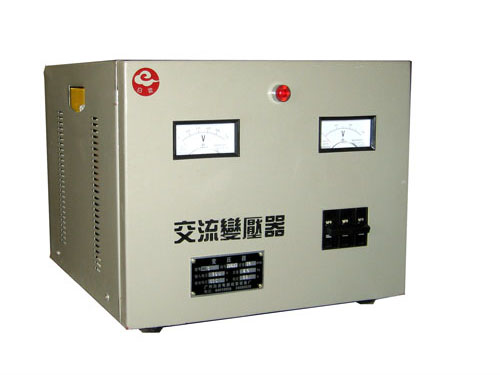 2026-03-04(1) Firstly, it should be considered that the shutdown of this voltage transformer may cause malfunctions in related protections (such as distance protection) and automatic devices (such as auto-transfer). Therefore, it is necessary to apply for the shutdown of the relevant protections and automatic devices first. (2) Shutting down the voltage transformer includes operating the knife switch on the high-voltage side, disconnecting the secondary air switch or fuse to prevent reverse charging on the secondary side.
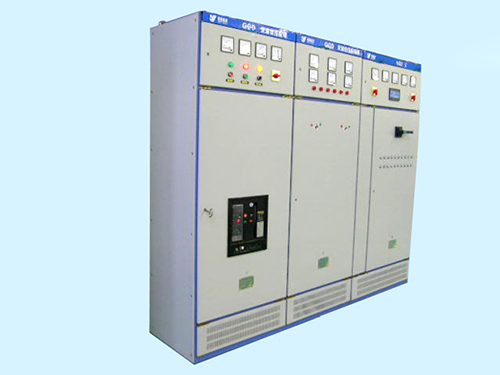 2026-03-04High-voltage power transmission consists of three phase wires. Above 35KV, there is one or two lightning protection wires on the top of the iron tower (electric pole). Therefore, the three-wire setup is high-voltage transmission, while the four-wire setup is high-voltage transmission with lightning protection wires (on the top, thinner than the phase wires, without insulators) or low-voltage 380/220V transmission (four wires are the same thickness, on the same cross-arm, using the same insulators). The five-wire setup is high-voltage transmission with two lightning protection wires (on the top, thinner than the phase wires, without insulators), the six-wire setup is two circuits of high-voltage transmission, the seven-wire setup is high-voltage transmission (three wires on the top) + low-voltage transmission (four wires on the bottom), and the two-wire setup is low-voltage 220V transmission (single phase).
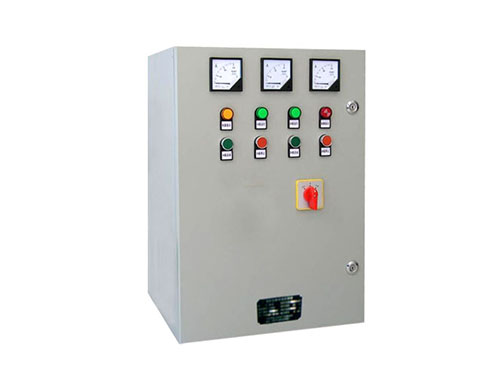 2026-03-04(1) The temporary power transmission lines for the construction site are laid using buried cables or partially overhead cables. (2) When laying the cables, the following requirements apply: ① When the cables pass through buildings, roads, etc. on the construction site, or when they are led out from the ground to a height of 2 meters or extended to a depth of 0.2 meters underground, smooth and free-of-nibbles protective conduits must be installed with sealed pipe openings. ② The parallel distance between the cable and the nearby thermal pipelines must be no less than 2 meters, and the crossing distance must be no less than 1 meter. ③ Cable joints should be placed inside protective boxes to ensure waterproofing, dustproofing, firmness and reliability. Insulation wrapping should be done in accordance with specifications to ensure insulation strength and prevent external forces. ④ When overhead laying of rubber cables is carried out,
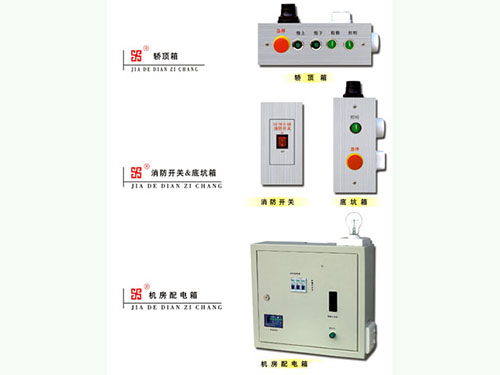 2026-03-04I. What is an electricity meter? An electricity meter, also known as an electric energy meter, is an electrical instrument specifically used for measuring electrical energy. II. How are the units for recording electricity energy defined? Usually, it is expressed in kilowatt-hours (KW·H). When we say "one kilowatt-hour of electricity", it means 1 KW·H. The value displayed on the meter's dial represents the cumulative electricity consumption of the user. III. What types of electricity meters are there? Electricity meters are divided into single-phase electricity meters and three-phase electricity meters. The former is used to measure the electricity consumption of residential users with single-phase power supply, while the latter is mainly used to measure power users such as government agencies, industrial and mining enterprises, and agricultural production, as well as users with large electricity loads or electricity consumption.
Professional mechanical and electrical engineering field
contact way-
About Us
company profile corporate culture corporate image enterprise features qualification certificate Video Center sphere of business -
case
Power distribution project Central air conditioning Central air conditioning Drainage system Group telephone Network system Monitoring system -
product
Central Air-condition Low Voltage Electrical Electric Machinery Electric Generating Set Electric Valve Sensor Water Pump More -
News
Company Industry Questions -
contact us
call center contact
 Wapsite
WeChat
Wapsite
WeChatHotline:+86 138 2699 5928
Address: No. 1204-1207, 12th Floor, Building 9, Tian Gong Zhi Gu, 52 Fuhai Road, Xugang Village, Chang'an Town, Dongguan City, Guangdong Province Dongguan Xinzhou Mechanical and Electrical Air Conditioning Engineering Co., LTD 【Admin】-
Phone
+86 138 2699 5928
Hotline (Mr. Liu)
-
Consult
-

TOP
-